“When health is absent, wisdom cannot reveal itself, art cannot become manifest, strength cannot be exerted, wealth is useless, and reason is powerless.”
— Herophilos
palup
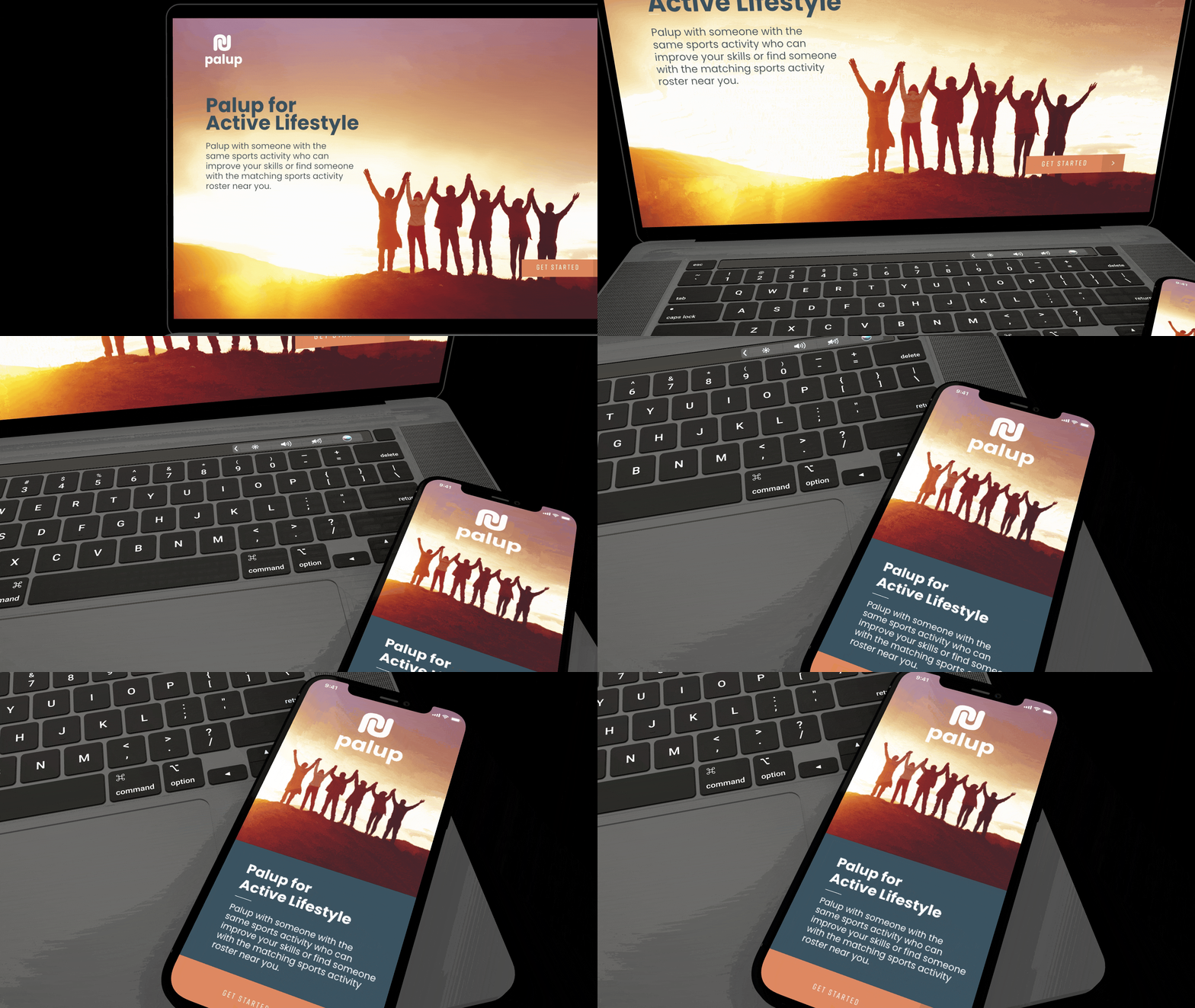
Palup is a mobile app that helps people book sports activities, join group sessions, reserve courts, or schedule personal trainers.
Busy schedules, limited facilities, and hard-to-find trainers often make it difficult to stay active. Palup removes these barriers and also encourages socialising by connecting people through group events.
This case study explores how I designed a seamless booking experience that makes sports easier to access and more engaging.
Background
While living in Sydney as an international student, I often struggled to find people with the same sports interests who were free when I was. Booking courts or trainers felt messy and unorganised, which made staying active harder.
This challenge led me to create Palup, applying a full UX process, research, personas, user flows, wireframes, prototypes, and testing, to design a simpler, more social way to book and join sports activities.
Overview
Palup was my second UX/UI project, created to solve challenges around booking courts, finding trainers, and joining group sports, issues often caused by busy schedules and limited facilities.
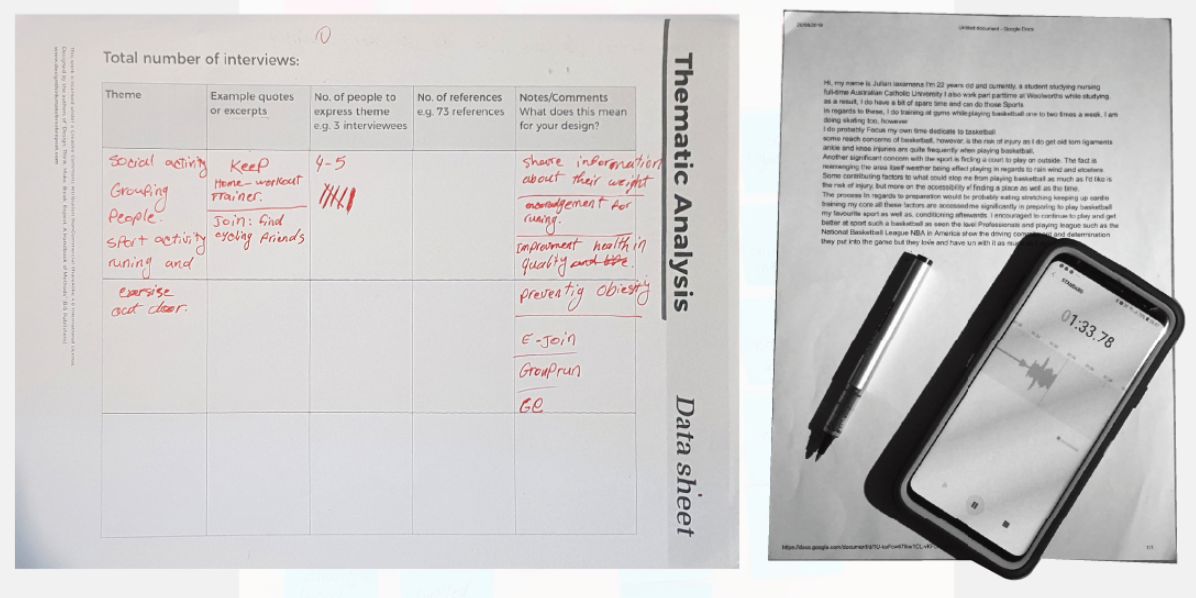
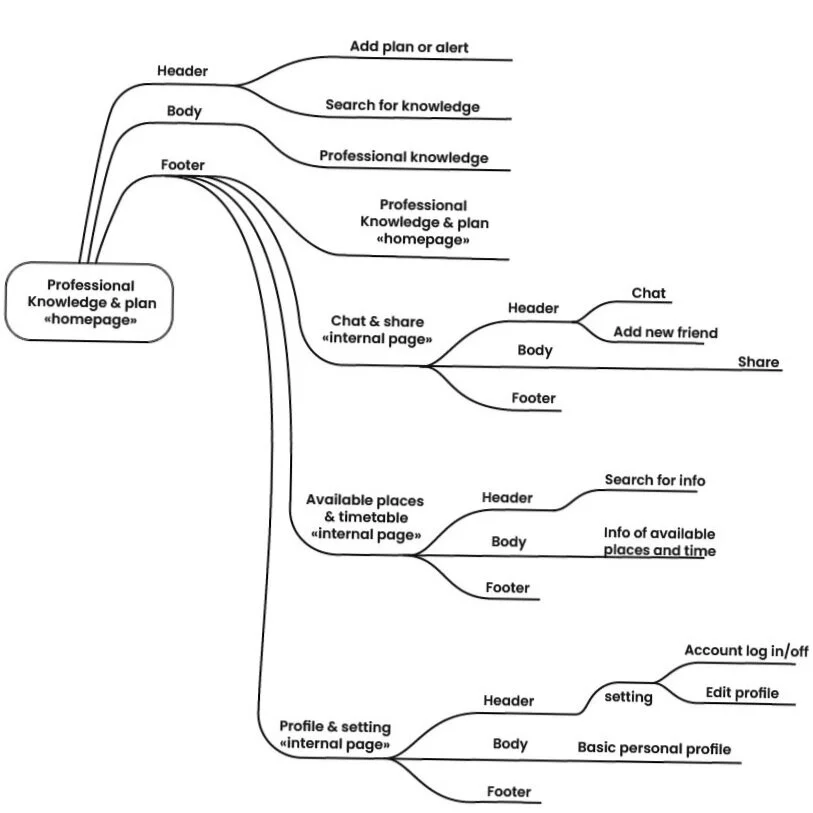
I worked on this in 2018 while learning Human-Centred Design at UNSW, applying user research, interviews, personas, journey maps, MVPs, user flows, information architecture, wireframing, high‑fidelity prototyping, usability testing, and iteration to design a seamless experience.
Role
Full‑Stack UX/UI Designer
I handled the entire design process, from user research, interviews, and persona creation to journey mapping, defining MVPs, structuring user flows and information architecture, designing wireframes and high‑fidelity prototypes, and conducting usability testing with iterative improvements.
Research & Findings
Problem Statement
Many people want to stay active through group sports, personal training, or regular practice, but conflicting schedules, limited court availability, and rigid timetables make it hard to participate. These barriers reduce opportunities to join sessions, book trainers, or reserve spaces, even though playing in groups and connecting with others significantly boost motivation and commitment to sports.
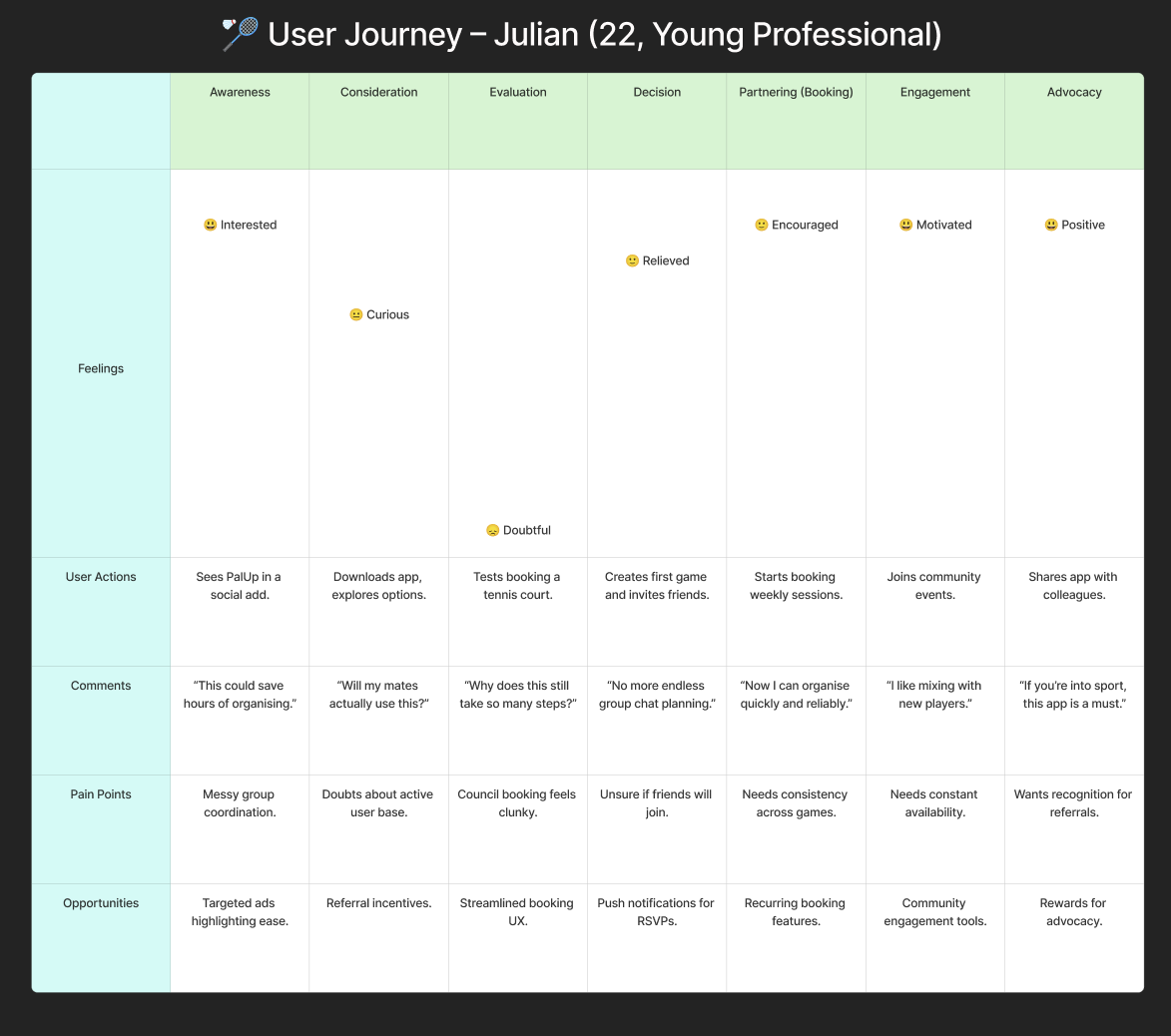
User
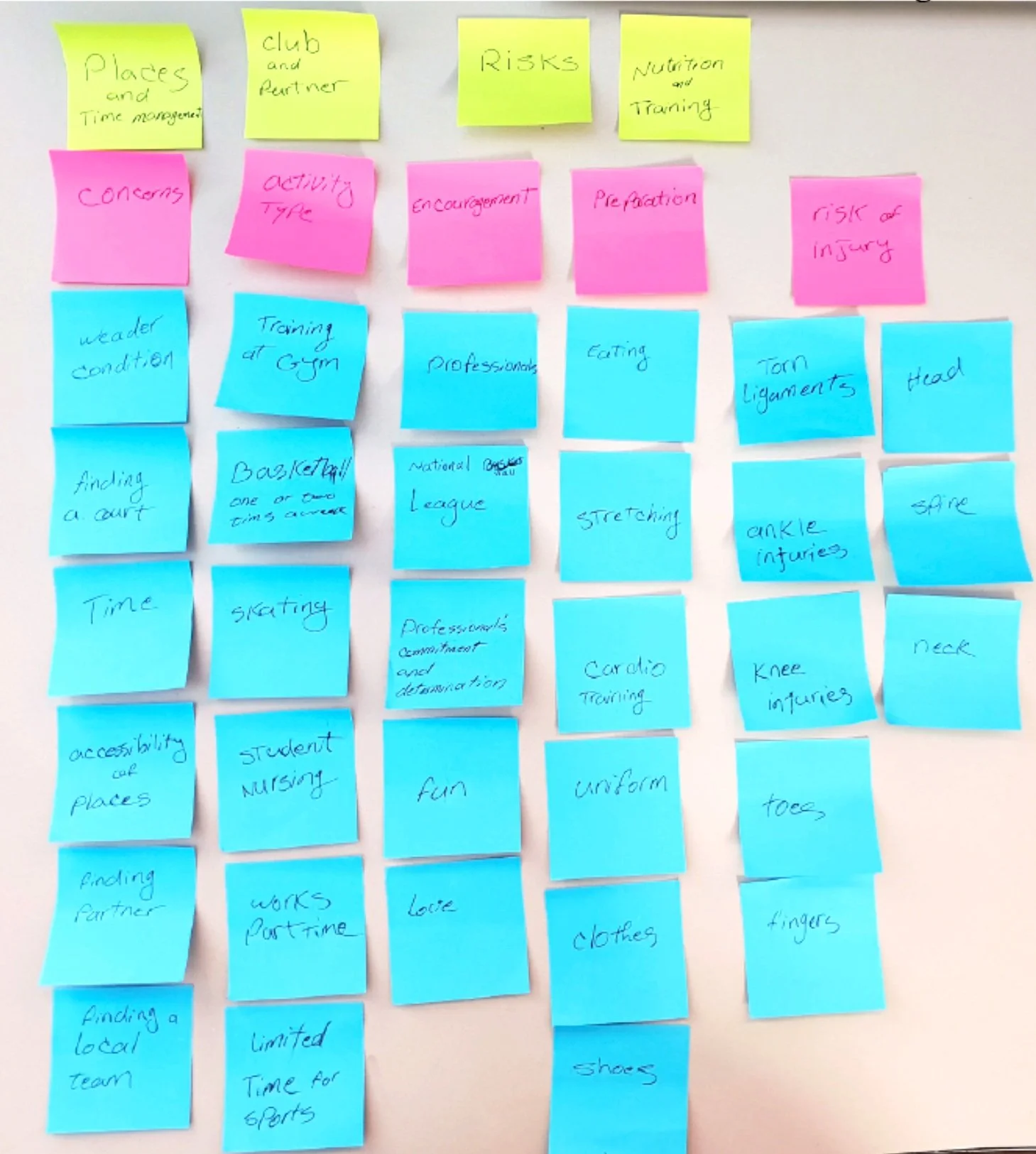
An empathy map is where I gather information, put it on post-it notes, and then organise it. In particular, I placed them in four quadrants: Doing, Thinking & Feeling, saying. This helps me find user insights which I then extrapolate to find user needs.
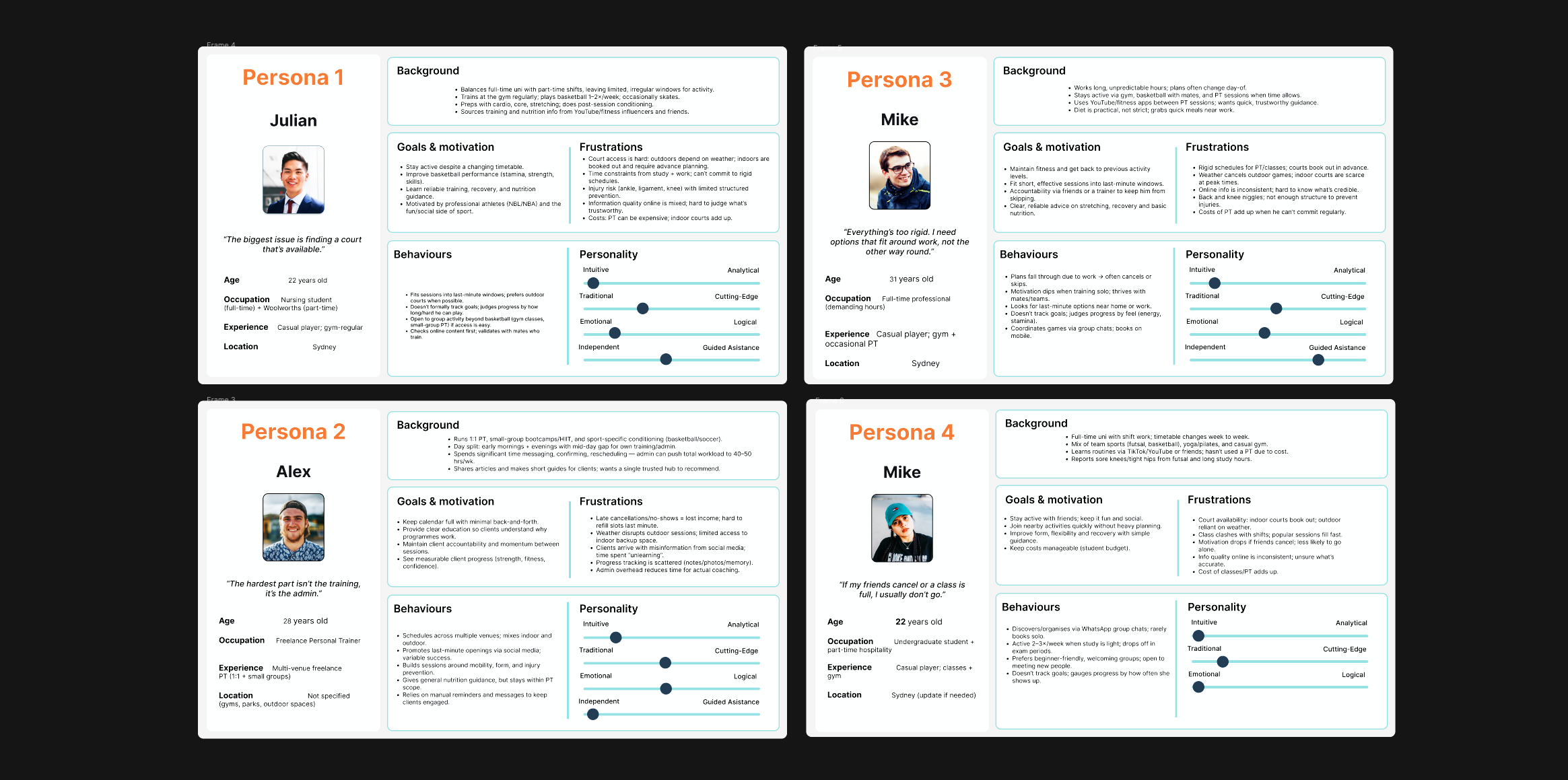
User persona
In order to develop a typical Persona that depicts the average audience member, I looked back over the Insights, the Needs and the Pain Points from my Empathy Maps. This Persona also highlights the major needs of the most important user groups so that they can be addressed.
Brainstorming
I facilitated a brainstorming session with three people. We discussed and brainstormed as many solutions as possible on each HMW question. This opportunity helped me generate many new ideas and concept through other people's perspectives. After spending two hour brainstorming, I looked back at my notes, organized, sorted and refined all of our solutions that we had come up with.
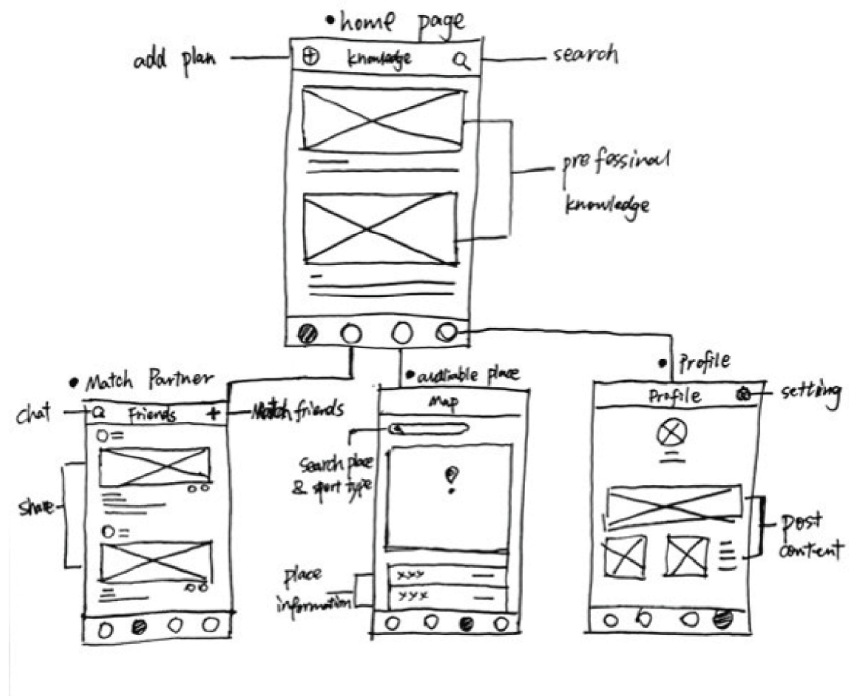
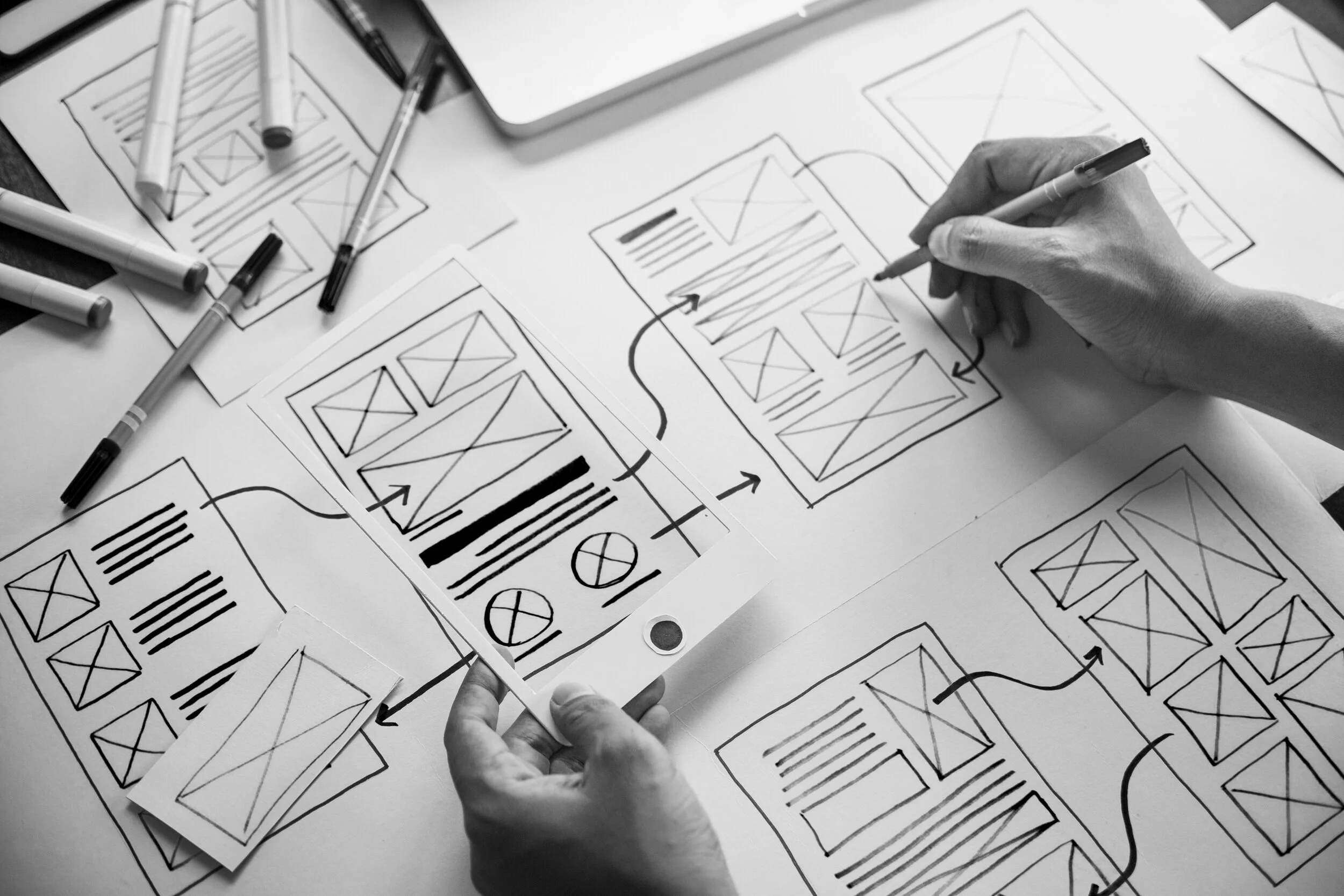
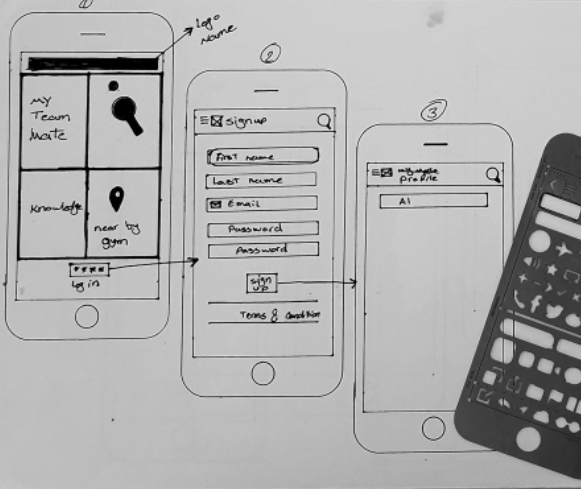
palup logo design process
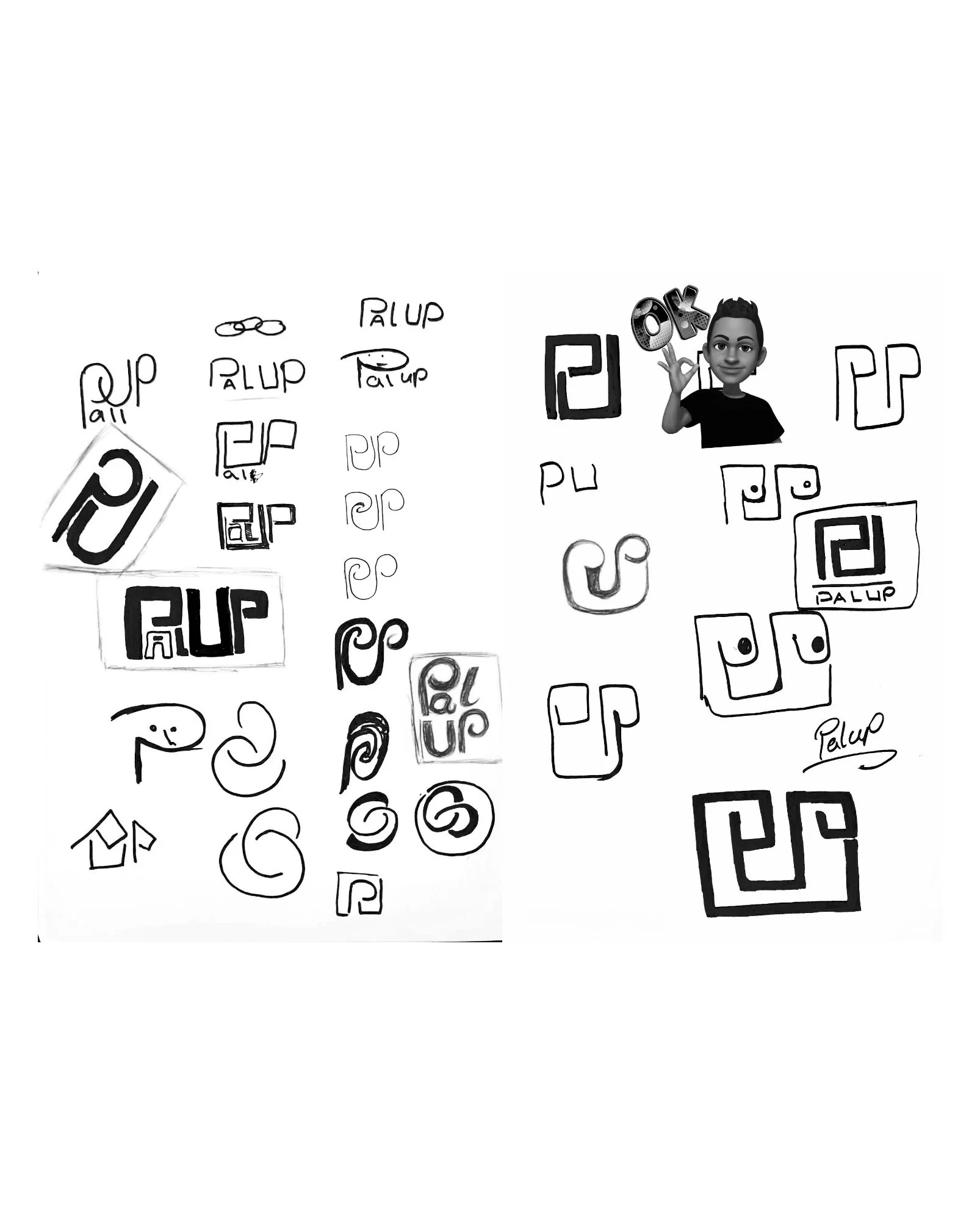
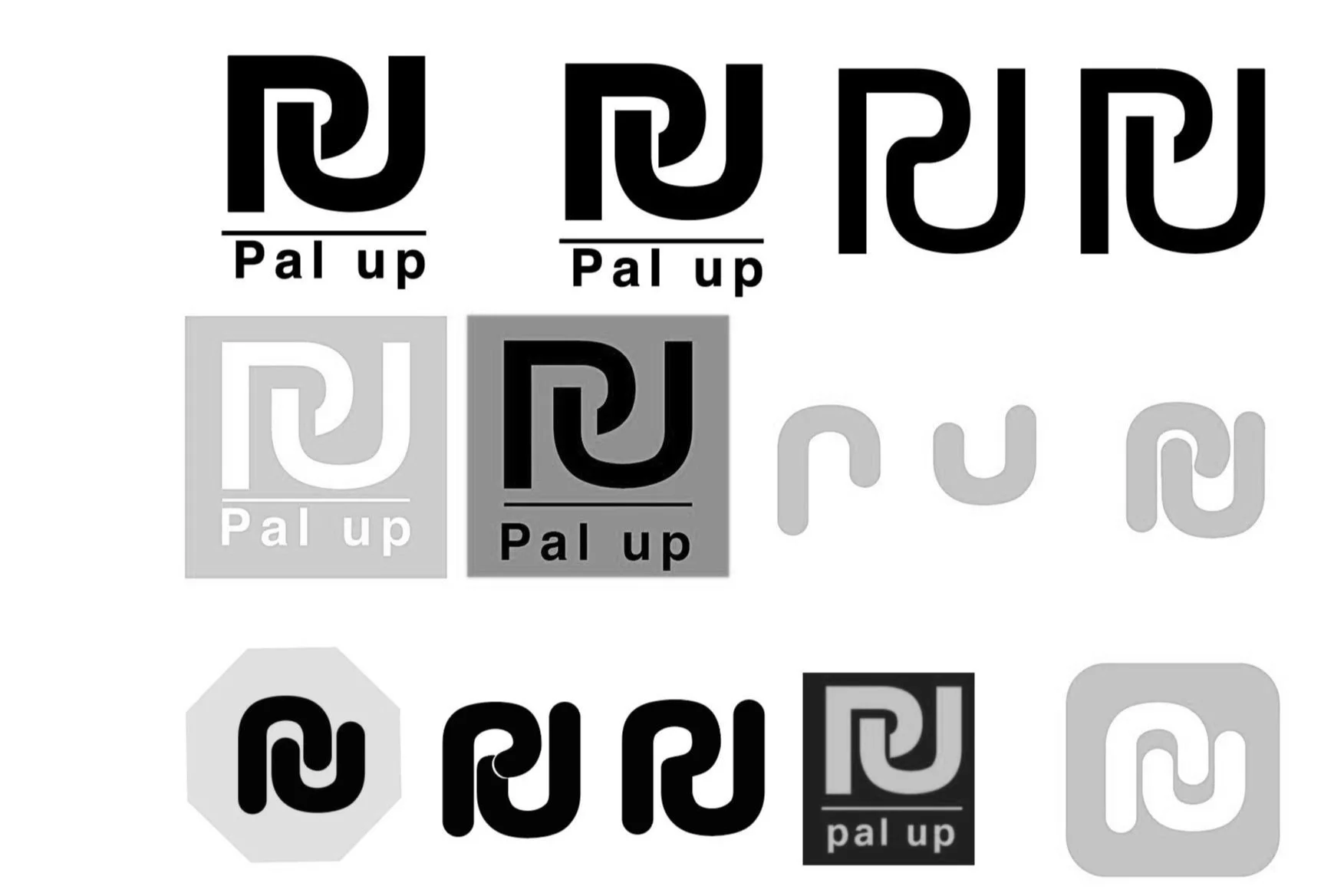
Logo design process:
Evaluate: to understand what the brand embodies and what the business’s goals are. This is known as the Client Discovery phase.
Research the industry: research what kind of logos competitors and industry leaders have.
where the logo will be used: Research where the logo will be used— Application Discovery.
Sketch a variety of logo concepts: Sketch out a bunch of different logo ideas to see how they look outside my head. For one thing, the act of sketching alone can get the creative juices flowing.
Create digital drafts in vector software.
Refine your logo design with feedback.
Prepare and deliver the final logo files.
Final logo