Agile & UI Design

Agile is a project management and product development approach that prioritizes flexibility and collaboration. It is based on the Agile Manifesto, a set of values and principles for Agile software development that was first introduced in 2001. The Agile Manifesto values "individuals and interactions, working software, customer collaboration, and responding to change" over processes and tools.
The Agile methodology is based on iterative and incremental delivery, where requirements and solutions evolve through the collaborative efforts of self-organizing and cross-functional teams. Agile teams work in short sprint cycles, typically lasting 1-4 weeks. During each sprint, the team chooses a set of high-priority features or requirements to work on, and at the end of the sprint, the team demonstrates a potentially shippable product increment.
One of the key characteristics of Agile is its emphasis on flexibility and the ability to adapt to change. As a result, agile teams are able to respond to changing requirements and priorities by regularly re-evaluating and adjusting their plans. This is in contrast to traditional project management approaches, which often rely on a detailed plan set in stone at the beginning of the project.
Another essential aspect of Agile is the focus on frequent communication and collaboration between team members and stakeholders. Agile teams use daily stand-up meetings, sprint planning and review meetings, and retrospective meetings to ensure that everyone is on the same page and that any issues or concerns are addressed in a timely manner.
There are several frameworks that implement Agile methodology, the most popular ones are Scrum and Kanban. Scrum is a framework for managing complex projects and is often used in software development. It includes roles such as the Scrum Master, Product Owner, and Development Team, as well as ceremonies such as Sprint Planning, Daily Scrum, Sprint Review, and Sprint Retrospective. Kanban is a framework for managing and improving workflows, it focuses on visualizing the flow of work, limiting work in progress, and making process policies explicit.
In summary, Agile is a flexible, collaborative approach to project management and product development that emphasizes iterative progress, the ability to adapt to change, and frequent communication. It is implemented using frameworks such as Scrum and Kanban, and is widely used in software development, but can be applied to any project.

On the other hand, UI design typically involves several stages, including research, planning, design, and testing. Here is a more detailed explanation of each step and how the UI designer may collaborate with the team during each stage:
Research: The first stage of UI design is research. The UI designer works with the product owner, stakeholders, and other team members to understand the requirements and goals of the project. The designer may conduct user research and usability testing to gather feedback on the user interface and ensure that it meets end-users' needs.
Planning: During the planning stage, the UI designer works with the product owner and other stakeholders to create a design plan that outlines the overall design direction, the layout, and the visual elements of the user interface. The designer may create wireframes, mockups, and high-fidelity designs to visualize the user interface. The designer also works with the development team to ensure that the designs are feasible and can be implemented within the sprint.
Design: In the design stage, the UI designer creates detailed design assets, such as icons, buttons, and other visual elements. The designer also works on creating design systems that can be reused across different project parts. This helps to ensure consistency in the user interface and can make it easier for the development team to implement the designs.
Development: During the development stage, the UI designer works closely with the development team to ensure that the user interface is implemented correctly. The designer may provide guidance on design decisions, provide design assets, and work with the development team to resolve any design-related issues.
Testing: Before the end of the sprint, the UI designer reviews and tests the user interface to ensure that it meets the requirements and is visually appealing. If there are any issues, the designer works with the team to resolve them before the sprint ends.
Review and Retrospective: The UI designer participates in Sprint Retrospective meetings, where the team reflects on what went well and what didn't go well during the sprint. This helps the designer understand the challenges faced by the development team and plan for the next sprint.
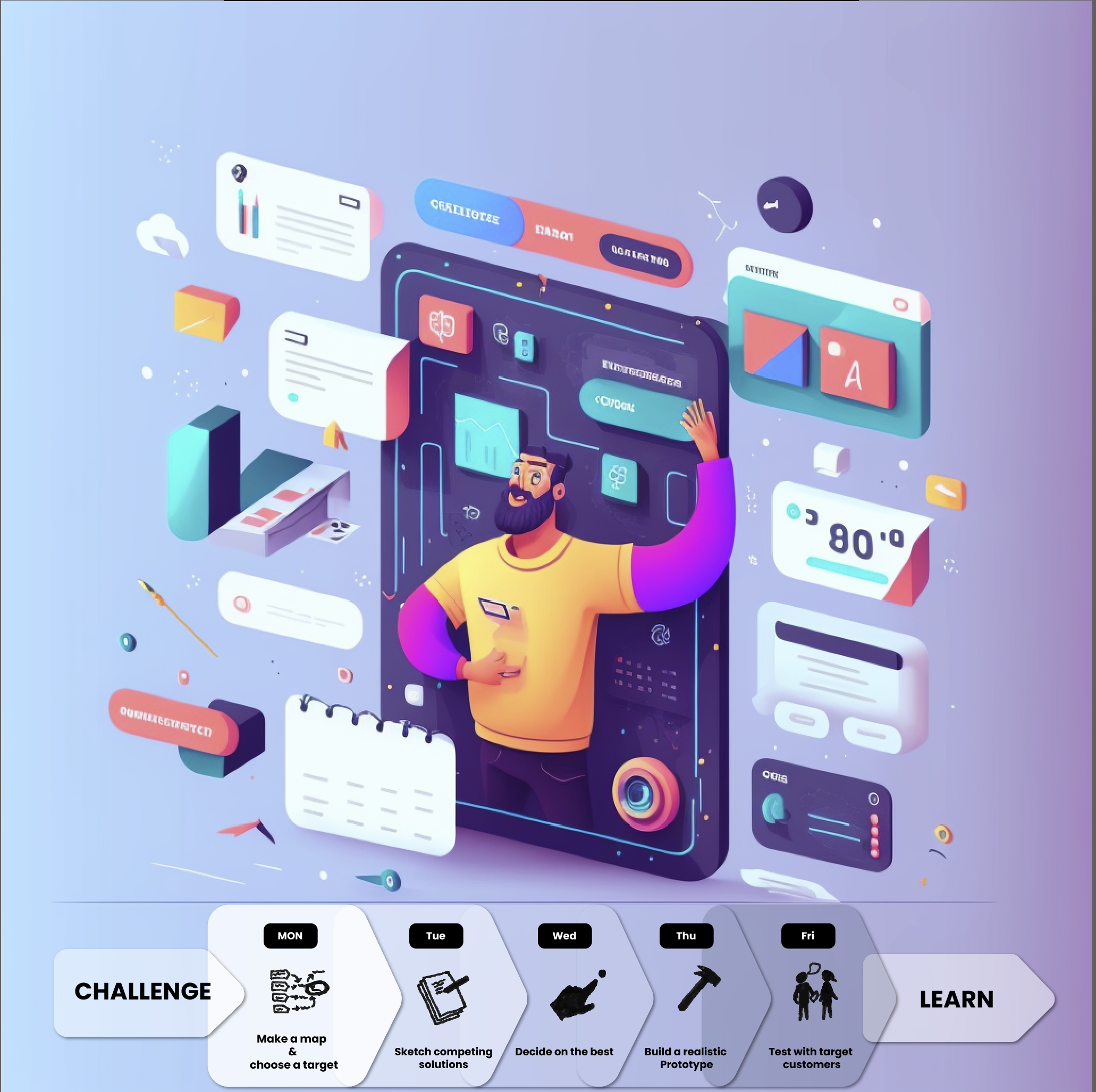
In an Agile team, a UI designer typically collaborates closely with other team members to design and develop user interfaces that are both functional and visually appealing. Here are a few ways a UI designer might collaborate in an Agile team:
Participating in Sprint Planning: During sprint planning, the team sets goals and priorities for the upcoming sprint. The UI designer works with the product owner and other stakeholders to understand the sprint's requirements and plan how the team will design and implement the user interface.
Designing and prototyping user interfaces: During the sprint, the UI designer works on designing and prototyping the user interface. This may involve creating wireframes, mockups, and high-fidelity designs. The designer works closely with the development team to ensure that the designs are feasible and can be implemented within the sprint.
Collaborating with Developers: The UI designer works closely with developers to ensure that the user interface is implemented correctly. This may involve providing guidance on design decisions, providing design assets, and working with the development team to resolve any design-related issues.
Participating in Daily Stand-Ups: The UI designer participates in daily stand-up meetings, where the team discusses progress, roadblocks and next steps. This helps the designer stay updated on the project's progress and provide any help to the development team.
Reviewing and testing the user interface: Before the end of the sprint, the UI designer reviews and tests the user interface to ensure that it meets the requirements and is visually appealing. If there are any issues, the designer works with the team to resolve them before the sprint ends.
Participating in Sprint Retrospective: The UI designer participates in Sprint Retrospective meetings, where the team reflects on what went well and didn't go well during the sprint. This helps the designer understand the challenges faced by the development team and plan for the next sprint.
In an Agile team, the UI designer plays a critical role in ensuring that the user interface is functional, visually appealing, and meets the project's requirements. In addition, by working closely with other team members and participating in Agile ceremonies, the UI designer helps to ensure the project's success.
In overview, Agile is a flexible, collaborative approach to project management and product development that emphasizes iterative progress, the ability to adapt to change, and frequent communication. It is implemented using frameworks such as Scrum and Kanban, and is widely used in software development, but can be applied to any project.
The importance of Agile:
Agile is an essential methodology for software development because it prioritizes flexibility, collaboration, and adaptability. Here are a few reasons why Agile is particularly important in software development:
Rapid development: Agile is an iterative and incremental approach that allows software development teams to develop and deliver working software rapidly. By working in short sprints, teams can quickly deliver new features and functionality to users.
Flexibility: Agile is a highly flexible methodology that allows teams to adapt to changing requirements and priorities. This is particularly important in software development, where requirements can change quickly and unexpectedly.
Collaboration: Agile emphasizes collaboration between team members, stakeholders, and users. This helps to ensure that the software being developed meets the users' needs and is aligned with the business's goals.
Continuous improvement: Agile encourages continuous improvement through regular retrospectives. This helps teams to identify and address issues and to make improvements that can lead to better software development.
Customer focus: Agile emphasizes customer collaboration and the ability to respond to change, which helps to ensure that the software being developed meets the users' needs and is aligned with the business's goals.
Quality: Agile approach, with a focus on testing and continuous integration, helps the team to deliver software with high quality, and this is very important in software development as software with low quality can have a significant impact on the users and the business.
In summary, Agile is an important methodology for software development because it allows teams to rapidly develop and deliver working software, adapt to changing requirements, collaborate effectively, and continuously improve the quality of the software. The agile approach provides a framework for the software development teams to work efficiently and effectively, leading to the delivery of high-quality software that meets the needs of the users and the business.